
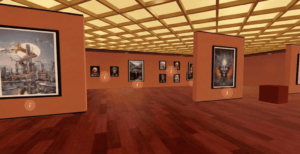
Most people don’t avoid museums because they dislike history or art. They avoid them because they don’t know what to expect. A museum sounds serious, quiet, maybe confusing. People imagine long halls, difficult information, and objects they won’t understand. So unless it is part of a school trip or a holiday plan, they usually skip it.
The problem is not the museum. The problem is distance—both physical and mental. When people cannot see a place clearly, they fill the gap with assumptions. This is where image-based 360° museum and art gallery tours quietly help. They don’t explain too much. They don’t try to teach immediately. They simply let people enter the space and look around. Once someone sees a museum properly, even online, it stops feeling distant.
What an Image-Based 360° Museum Tour Actually Is
A 360° museum tour is not a video and it is not a slideshow. It is closer to standing still in one spot and slowly turning your head. You can look up at the ceiling, down at the floor, or straight ahead at an exhibit. When you feel ready, you move forward into the next space.
There is no background voice telling you where to go. No fast cuts. No pressure. These tours are made using real photographs taken inside museums and cultural sites. Each photograph captures the entire surrounding area. When many such images are connected, they form a virtual path through the building.
They are commonly created for:
- Museums of history or archaeology
- Art galleries and exhibition halls
- Cultural and folk heritage centers
- Memorial museums
- Old buildings converted into museums
The idea is not to entertain. The idea is to show.
Why Heritage and Cultural Sites Use These Tours
Heritage spaces carry responsibility. Objects cannot be touched freely. Some areas must remain protected. Visitor numbers may be limited. At the same time, museums are expected to educate and stay visible.
Image-based virtual tours help because they:
- Reduce pressure on physical spaces
- Allow access without travel
- Make people comfortable before visiting
- Help teachers explain context
- Let institutions show their work honestly
Instead of telling people “you should visit,” the tour lets people decide on their own.
Seeing Context Instead of Isolated Objects
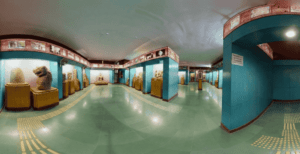
One of the biggest problems with online museum content is that objects are shown alone. A photo of a sculpture or painting looks nice, but it loses meaning when removed from its surroundings. In a 360° tour, context stays intact.
You see:
- Where an object is placed
- What comes before and after it
- How much space surrounds it
- How lighting affects its appearance
This matters more than people realize. History and culture are not just about items. They are about how those items live inside a space.
What Parts of a Museum Are Usually Included
Not everything needs to be shown. In fact, showing too much can confuse visitors. Most museums choose only areas that help understanding.
Usually included are:
- Entrance and welcome areas
- Introductory galleries
- Main exhibition halls
- Art display rooms
- Sculpture or artifact sections
- Architectural features like staircases or courtyards
Storage rooms, conservation labs, or sensitive collections are kept private, and that is completely fine.
How These 360° Museum Tours Are Created
First: Understanding the Space
Before any camera comes out, the space is walked through properly. The goal is to understand how visitors naturally move. Where do they pause? Which rooms matter most? Which areas connect logically?
This step avoids creating a confusing or unnatural tour.
Second: Capturing the Images
360° images are taken carefully. Museums are not studios. There are glass cases, reflective surfaces, and controlled lighting. The photographer adjusts for:
- Reflections on display cases
- Natural light from windows
- True color of artifacts
- A realistic viewing height
Nothing is rearranged just to look better. What you see is what exists.
Third: Linking the Walkthrough
Images are connected slowly and logically. One room leads to the next the same way it does in real life. No sudden jumps across floors. No unnecessary shortcuts.
The goal is simple movement that does not distract.
Fourth: Adding Only What Is Needed
Some tours include small text labels like gallery names or themes. These are short and optional. They do not interrupt exploration.
The focus stays on looking, not reading.
Fifth: Testing the Experience
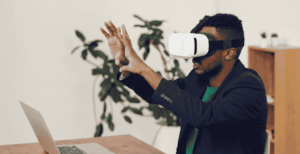
The tour is opened on phones, laptops, and tablets. If something feels confusing or heavy, it is fixed. Museums prefer clarity over complexity.
Where These Tours Are Actually Used
Image-based museum tours are used quietly in many places:
- Museum websites
- School and college projects
- Cultural research references
- Tourist planning
- Accessibility support for remote users
They are not loud tools. They just sit there, ready when needed.
What Museums Gain from These Tours
The benefits are practical, not dramatic:
- More informed visitors
- Fewer repetitive explanations
- Reduced physical strain on spaces
- Better educational support
- A digital record of exhibitions
They help museums stay open without physically opening doors.
Who Finds These Tours Useful
These tours help:
- Students who need visual understanding
- Teachers explaining history or culture
- Researchers studying layout and display
- Visitors planning a trip
- People who cannot visit physically
Anyone curious but unsure benefits from seeing first.
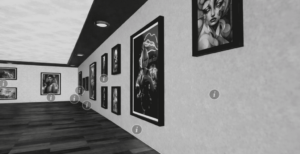
360° image-based museum and art gallery tours do not try to replace real visits. They remove hesitation. They make museums feel familiar before someone steps inside.
By allowing people to explore quietly and freely, these tours keep culture open—without forcing attention, selling interest, or simplifying meaning.