
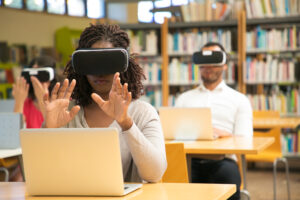
Most students like the idea of field trips, but honestly, they rarely happen. Schools plan them, then cancel them. Sometimes there’s no budget, sometimes safety becomes an issue, and sometimes there’s just not enough time. In the end, students stay in the classroom and read about places they never really get to see. That’s where VR field trips quietly fit in.
VR doesn’t try to act fancy. It just gives students a way to look at places instead of imagining them. Sitting in a classroom and hearing about a forest or a museum is one thing. Being able to look around and feel like you’re there is something else. That difference matters more than people think.
Seeing History Instead of Memorizing It
History is one of those subjects many students struggle with. Not because it’s useless, but because it’s taught in a very flat way. Names, dates, events, page after page of text. VR field trips change that feeling a bit. Students can walk through old cities, look at buildings, and understand how people lived.
When students see history like this, they don’t need to force themselves to remember facts. The place itself stays in their mind. Later, when dates or names come up, they actually make sense.
Understanding the Human Body from the Inside
The human body sounds interesting, but textbooks don’t always explain it well. Diagrams are small, labels are confusing, and students are expected to imagine everything. VR field trips make this easier by letting students move inside the body.
Seeing organs work together helps students understand how systems connect. Blood flow, breathing, digestion — all of it feels less confusing when it’s visual. Students don’t need to guess anymore.
Experiencing Space Without Leaving Earth
Space is something students are naturally curious about. But reading about planets and distances can feel boring very quickly. VR lets students move around space, see planets up close, and understand how big everything really is.
It also helps with ideas like gravity and movement. Instead of reading explanations again and again, students can just see how things behave.
Exploring Nature and Wildlife
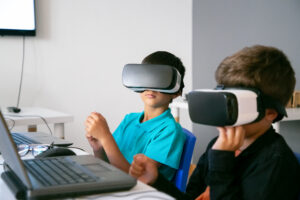
Not every school can take students to forests, oceans, or wildlife parks. VR makes it possible to visit these places without travel. Students can observe animals in their natural environment and see how ecosystems work.
This kind of field trip also builds awareness. When students see nature closely, they start caring about it more. It feels real, not just like another chapter.
Walking Through Museums Around the World
Museums are full of history and art, but most students only see pictures of them. VR museum tours let students walk through galleries and look closely at the exhibits.
Art stops feeling distant. History stops feeling dry. Students can take their time and focus on details they find interesting.
Understanding Geography Better
Maps are useful, but they don’t always show how places actually look. VR field trips help students understand mountains, rivers, deserts, and cities in a more realistic way.
Seeing landforms from different angles helps students remember them better. Geography becomes more about understanding places, not just remembering names.
Visiting Factories and Workplaces
Most students don’t know how everyday products are made. Factories are usually not open for visits. VR field trips allow students to see how things are produced step by step.
This also helps students think about future careers. They see real work environments instead of just hearing about jobs.
Learning Language Through Real Situations
Language learning often stays limited to grammar and writing. VR places students in environments where they hear real conversations and see cultural settings.
This helps students understand how language is actually used. It feels more practical and less forced.
Revisiting Important Historical Events
Some historical events are difficult to understand through text alone. VR can recreate these moments and help students see what actually happened.
This makes lessons clearer and discussions more meaningful. Students don’t feel lost while reading.
Helping Students Who Learn Differently
Not every student enjoys crowds or travel. VR gives these students a safe space to explore. They can take their time and repeat experiences if needed.
This makes learning feel less stressful and more comfortable.
Why VR Field Trips Actually Work
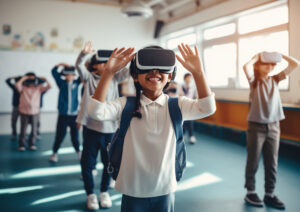
The main reason VR field trips work is simple: students are involved. They are not just listening. They are looking, moving, and noticing things.
When learning feels active, students pay attention without trying. Questions come naturally. Understanding improves without pressure.
Long-Term Use for Schools
Once created, VR field trips can be reused again and again. Schools don’t have to plan everything from scratch each year.
Budget, distance, and safety problems become less of an issue. More students get equal learning opportunities.
VR field trips are not meant to replace real trips. Real experiences still matter. But when real trips are not possible, VR makes sure students don’t miss out completely.
If VR field trips had been part of education earlier, learning might have felt less boring and more meaningful. Students would spend less time memorizing and more time understanding. And that is what education should actually be about.