

Chronic pain is one of the most significant and least adequately addressed health challenges in India—the scale of it is genuinely enormous. Millions of people across the country live with persistent pain conditions—lower back pain, arthritis, neuropathic pain, pain following injury or surgery, and pain associated with cancer treatment—that fundamentally limit their quality of life, their ability to work, their relationships, and their mental health. The conventional medical response to chronic pain is predominantly pharmaceutical — pain medications that manage symptoms while creating their own complications, including dependency, side effects, and the general burden of long-term pharmaceutical management.
VR offers a genuinely evidence-based, non-pharmaceutical complement to conventional pain management that is both clinically compelling and commercially significant.
The Clinical Mechanism — Why VR Reduces Pain
The mechanism through which VR reduces perceived pain intensity is well-documented in clinical literature and genuinely fascinating in its implications.
Pain perception is not simply the transmission of signals from injured tissue to the brain—it is an active construction process in which the brain interprets pain signals in context, and that context includes attention, expectation, anxiety, and environmental factors that significantly modulate how intensely pain is experienced. A soldier in combat with a significant wound often reports not noticing the pain until the combat ends, and a child receiving an injection while distracted by something absorbing experiences significantly less pain than a child whose full attention is on the injection.
VR works with this mechanism directly. By placing patients inside genuinely absorbing immersive environments—worlds that engage visual, auditory, and attentional systems simultaneously—VR reduces the attentional resources available for pain processing and, in doing so, reduces perceived pain intensity in ways that are measurable and clinically significant.
Clinical studies across multiple conditions — burn wound care, chemotherapy, post-surgical recovery, chronic lower back pain, and cancer-related pain — have consistently demonstrated that VR-based distraction produces meaningful reductions in perceived pain intensity during and following VR sessions. The reductions are not marginal — they are significant enough to reduce medication requirements in some clinical contexts.
What This Business Looks Like in Practice
A VR pain management clinic provides structured VR therapy sessions to patients experiencing chronic or acute pain conditions, either as standalone appointments or in conjunction with conventional medical treatment managed by the patient’s existing healthcare providers.
The clinical oversight model follows the same principle as other VR therapy applications — you do not need to be a clinician to operate this business, but you need to partner with clinicians who understand pain management, can assess patient suitability for VR therapy, and can supervise the therapeutic application of the technology. Pain specialists, physiotherapists, oncologists, and general practitioners who are interested in evidence-based complementary approaches are natural clinical partners.
The patient population includes chronic pain sufferers who have not achieved adequate relief through conventional pharmaceutical management; cancer patients experiencing pain during treatment; post-surgical patients in recovery; patients with conditions such as fibromyalgia and arthritis, where pain management is ongoing; and acute pain patients who prefer to minimize medication use.
The Specific VR Content That Works for Pain Management
Not all VR content is equally effective for pain management, and the clinical evidence is specific about what works best.
Natural environments—particularly water environments, including underwater experiences, ocean scenes, and flowing water landscapes—show the strongest evidence base for pain reduction. The Snow World experience—a snowy winter landscape—was among the earliest and most extensively studied VR pain management applications, and the evidence behind it is robust. Calming, visually absorbing environments that engage attention without creating anxiety are consistently more effective than high-intensity or stressful content.
The content for a pain management clinic should be specifically selected for therapeutic rather than entertainment purposes—calming, absorbing, and designed around the attentional engagement mechanism that drives pain reduction rather than around excitement or challenge.
Who the Clients Are and How to Reach Them
The primary client pathway is through healthcare professional referrals rather than direct patient acquisition. Pain specialists, oncologists, physiotherapists, and hospital discharge planners who understand and believe in the evidence base for VR pain management become referral sources that generate a consistent, high-quality patient pipeline.
Building these referral relationships requires engaging with healthcare professionals at a clinical level — presenting the evidence base, demonstrating the technology, and positioning the clinic as a professional clinical resource rather than a consumer wellness offering. Attend medical conferences in pain management and physiotherapy, write directly to pain specialists and oncology departments, and offer complimentary demonstration sessions for healthcare teams who want to understand what they would be referring their patients to.
Hospitals and cancer treatment centers are natural institutional partners—patients experiencing pain during inpatient stays or day treatment sessions can receive VR therapy on-site using mobile equipment, and the institutional relationship provides both direct revenue and significant referral volume.
Equipment and Clinical Environment
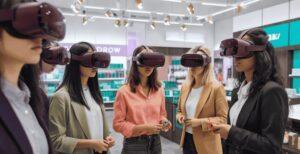
The clinical environment of a VR pain management clinic needs to feel calm, professional, and genuinely different from an entertainment VR venue. The space should have clean, quiet individual treatment rooms with comfortable sitting or reclining positions; appropriate lighting; and a clinical atmosphere that signals to patients that what they are receiving is genuine therapeutic treatment rather than entertainment novelty.
Headsets used for clinical applications require rigorous hygiene protocols between every patient use — thorough cleaning and disinfection of all contact surfaces. We can advise specifically on appropriate cleaning protocols for the headsets we supply to ensure they meet the hygiene standards required for clinical deployment.
Equipment can be rented from us for initial clinical validation—running pilot sessions with referred patients while building your clinical partnerships and your patient base. As patient volume builds and session frequency justifies it, purchasing your own clinical-grade headset fleet through us provides the operational reliability that clinical work demands.
Pricing and Revenue
VR pain management sessions are priced as therapeutic clinical services rather than entertainment experiences. Session fees in the range of five hundred to fifteen hundred rupees per forty-five to sixty-minute session are broadly appropriate and position the service as accessible relative to private medical consultation while reflecting the genuine clinical value being delivered.
Corporate wellness contracts with employers whose workforces include significant numbers of people experiencing work-related chronic pain — particularly back pain and repetitive strain injuries — provide B2B revenue alongside individual patient sessions. Health insurance partnerships, as VR pain management gains clinical recognition, represent a longer-term revenue pathway that could significantly expand the accessible patient population.
VR pain management is not alternative medicine. It is evidence-based clinical application of a technology that works through understood neurological mechanisms to deliver measurable therapeutic outcomes. The clinical literature is genuine, the mechanisms are understood, and the patient populations who benefit are real and significant.
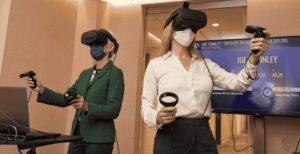
The businesses that enter this space with genuine clinical seriousness — proper clinical partnerships, appropriate patient selection, rigorous hygiene standards, and honest outcome tracking — are building something that serves genuine human need with genuine therapeutic tools.
Building a business around genuine human benefit rather than entertainment novelty alone is a genuinely rare thing in any commercial context.
We have the equipment, and we understand the clinical hygiene requirements. The clinical partnerships, the patient relationships, and the therapeutic protocols are yours to develop with the healthcare professionals who will make this genuinely valuable.
Build it with the seriousness it deserves.