

The Genre Mashup That Nobody Asked For and Everybody Needs
There are combinations in entertainment that seem improbable before you encounter them and seem inevitable afterward. The horror comedy. The action musical. The romantic thriller. Genres that appear to be working against each other and that turn out, in the right hands, to be working with each other in ways that amplify the strengths of both.
The VR zombie rollercoaster is one of these combinations. Rollercoaster mechanics and zombie horror should not work together as well as they do. The former is about physical sensation and kinetic joy. The latter is about dread, tension, and the specific emotional register of survival horror. These are different emotional experiences that use different psychological levers.
And yet the combination works. It works with a consistency that suggests there is something genuinely right about the mashup rather than something accidentally successful about a specific implementation.
Understanding why it works illuminates something interesting about both VR as a medium and about the specific emotional architecture of the experiences it creates best.
Why Rollercoaster Mechanics Work in VR
The roller coaster is, in many respects, the ideal VR experience format—a guided physical journey through a designed environment, with the direction and speed of travel controlled by the experience rather than by the user, creating the physical sensation of movement that VR’s vestibular-visual interaction makes genuinely felt rather than merely observed.
The specific VR quality of roller coaster experiences is the visceral physical response—the stomach response to a steep drop, the tension of an approaching inversion, and the genuine physical sensation that the visual information of motion creates in the vestibular system even when no physical motion is occurring.
The brain processes the visual information of a steep descent as a genuine descent because it is designed to process visual spatial information that way. The body responds. The experience is physically felt rather than intellectually processed. This is the specific quality that makes VR rollercoaster content a genuinely different experience from screen-based rollercoaster footage of equivalent visual quality.
Why Zombie Horror Works in VR
The horror genre’s core mechanism is the activation of the threat response—the genuine, physiological, involuntary response to perceived danger that evolved for survival and that good horror activates deliberately for entertainment purposes.
VR horror activates this response more reliably and more intensely than any other horror format because the spatial presence of VR makes threats feel proximate rather than observed. The zombie that is in the same virtual space as the user is processed by the threat response system as more genuinely threatening than the zombie visible on a screen, even though the rational mind knows in both cases that no actual threat exists.
The presence quality that makes EVA footage in a space documentary feel genuinely spatial makes the proximity of a zombie in a horror experience feel genuinely threatening. The same presence mechanism that creates awe in documentary content creates dread in horror content—and in both cases the emotional response is genuine rather than performed.
The Combination—Why It Creates Something Neither Does Alone
The zombie rollercoaster combines the kinetic physical sensation of the rollercoaster format with the threat activation of zombie horror in a way that creates a specific emotional experience that neither genre creates independently.
The rollercoaster without horror creates excitement and kinetic joy. It is thrilling in the specific way that physical sensation and speed create thrill. The adrenaline response is primarily physical.
The zombie horror without the rollercoaster creates dread and tension. The adrenaline response is primarily psychological—the threat perception that survival horror deliberately activates.
The zombie rollercoaster activates both simultaneously. The physical sensation of the motion and the psychological sensation of the threat create a combined adrenaline response that is more intense and more complex than either alone. The descent that takes you toward a horde of zombies rather than through an empty environment is more frightening than either the descent alone or the zombie horde encountered without the kinetic approach.
This interaction between physical and psychological threat activation is the specific quality that makes the genre mashup work — the combination creates a sum that is genuinely greater than its parts.
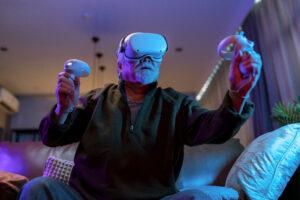
What Makes the Best VR Zombie Rollercoaster Games Specifically Good
The zombie rollercoaster games that rise above the competent implementations of this format share specific design qualities that distinguish them from the games that execute the concept adequately but not excellently.
Pacing is the most critical design quality in the genre. The experience needs the tension-release cycle that both horror and roller coaster content depend on—the build of dread or anticipation followed by the release of the drop or the encounter, followed by recovery and rebuild. Games that maintain constant high intensity throughout exhaust rather than thrill. Games that build and release effectively create the emotional investment that makes the experience genuinely memorable.
The quality of the zombie character design and behavior is specifically important because the threat response the game depends on is only activated by threats that are genuinely threatening. Zombie designs that are visually impressive but behaviorally unconvincing fail to activate the genuine threat response that the horror component requires. Zombie behavior that creates genuine unpredictability—the threat that does not arrive exactly when and where expected—sustains the tension that predictable scripted behavior dissolves.
The integration of the roller coaster mechanics and the horror content—the way the track layout, the speed changes, and the physical sensation of the ride relate to the zombie encounter moments—is the design quality that determines whether the combination feels organic or arbitrary. The best implementations make the physical journey feel specifically designed around the horror encounters rather than using a generic rollercoaster as a delivery mechanism for independent zombie moments.
The VR Advantage Over Conventional Platform Implementations
The zombie rollercoaster concept has been implemented across multiple gaming platforms, and the VR implementation creates a consistently and significantly different experience quality from the screen-based implementations for reasons that are specific to the medium.
The presence quality of VR activates both the physical sensation and the threat response more intensely than screen-based gameplay does. The descent that creates a genuine stomach response. The zombie proximity that creates genuine threat activation. Neither of these responses are available from screen-based gaming at the same intensity level because screen-based gaming maintains the glass wall between the player and the content that VR presence eliminates.
For a genre whose entire value is in the quality of the emotional responses it creates—the thrill, the fear, the adrenaline—the medium that creates the most intense responses is the medium where the genre performs best. VR is that medium for zombie roller rollercoaster content.
The VR zombie rollercoaster is not a serious entertainment form. It is not trying to be serious. It is trying to create the most intense combination of physical thrill and visceral fear that current VR technology makes possible, and the best implementations of the genre achieve this goal with consistency and craft.
It is exactly as much fun as it sounds. It is more frightening than you expect. The combination works in ways you will not fully believe until you experience it.
Ride it with someone. The shared experience of simultaneous fear and laughter is one of the most reliably enjoyable things VR can create right now.