
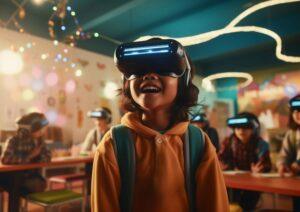
In a Medium Defined by Action and Intensity, Realms of Flow Is Something Completely Different—and That Difference Is Exactly What VR Needed
VR’s reputation is defined by its most extreme experiences. The horror game that people take off the headset to escape. The combat game that leaves your arms genuinely tired. The racing experience that makes some people genuinely nauseous from the intensity of the speed. The exploration game that makes heights feel genuinely vertiginous.
This reputation is earned—VR does intense experiences better than any other medium because the presence quality that VR creates makes intensity genuinely more intense. When the game wants to frighten you in VR, it is frightening in a way that fear through a screen never quite achieves. When the game wants to create the physical sensation of speed, the spatial reality of VR makes it feel genuinely fast.
But the presence quality that makes VR extraordinary at intensity also makes it potentially extraordinary at its opposite—at the specific quality of genuine presence in genuinely beautiful, genuinely peaceful environments that creates the relaxation and mindfulness benefits that VR’s most thoughtful advocates have always recognized as among the medium’s most significant and most underexplored potentials.
Realms of Flow is the experience that explores this potential most seriously and most successfully of anything currently available in VR.
What Realms of Flow Is and How They Work
Realms of Flow is a VR relaxation and mindfulness experience that places users in carefully designed natural and abstract environments — spaces that combine the visual beauty and spatial scale of the natural world with the specific design choices that promote genuine relaxation, genuine presence, and the quiet, sustained attention that mindfulness practices cultivate.
The experience is not a passive video. It is an interactive environment where the user’s presence and attention shape the experience—the gentle interaction that makes engagement feel active rather than passive without introducing the competitive or challenging dimensions that pull attention toward goal achievement rather than present-moment experience.
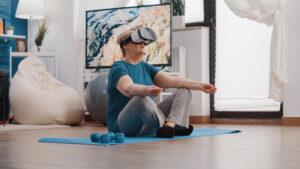
The natural environments that Realms of Flow creates — the forest clearing where light moves through trees with the specific quality that photography cannot capture and that VR presence can approach more closely than any other display technology — are designed with specific attention to the sensory qualities that psychological research identifies as most restorative. The spatial scale that creates the specific feeling of being in nature rather than viewing it. The ambient sound design that supports genuine auditory relaxation. The movement and pacing within the environment that matches the natural rhythm of restorative attention rather than the stimulated attention of action experiences.
Why VR Is Uniquely Suited for Mindfulness and Relaxation
The conventional objection to VR for relaxation and mindfulness purposes is intuitive — putting on a headset and isolating yourself in a virtual environment seems contrary to the openness and presence that mindfulness practices cultivate.
This objection misunderstands what genuine mindfulness practice involves. Mindfulness is not about the specific environment—it is about the quality of attention brought to whatever environment is present. The specific challenge of mindfulness practice is the training of attention itself—the development of the capacity to be genuinely present in experience rather than lost in the narrative commentary that the mind applies to experience by default.
VR environments designed for mindfulness like Realms of Flow create conditions for this attention training that the chaotic, distraction-dense environments of daily life rarely provide spontaneously. The beauty, the spatial scale, and the absence of the interruptions and obligations that dominate the physical environment—these create the optimal conditions for the quality of sustained, open, appreciative attention that mindfulness cultivates.
The presence quality that VR uniquely provides amplifies this benefit—the genuine spatial sensation of being in the environment, rather than looking at a photograph or video of it, activates the specific quality of sensory engagement that genuine restorative presence involves.
The Specific Populations Who Benefit Most
Realms of Flow’s relaxation and mindfulness benefits are available to everyone — but certain specific populations stand to benefit most specifically from what the experience offers.
Urban professionals in India’s demanding city environments—the combination of commuting stress, workplace pressure, and the constant digital stimulation of modern professional life creates a cumulative stress load that genuinely brief, genuinely restorative VR relaxation sessions can meaningfully address within the time constraints that daily professional life imposes.
People with limited access to natural environments—the nature access that psychological research consistently identifies as among the most effective restorative experiences—are not equally available to everyone. Urban residents without easy access to parks, forests, or natural landscapes benefit most directly from the high-quality nature simulation that Realms of Flow creates.
VR does not have to be intense to be extraordinary. Realms of Flow demonstrates this with the specific quality of a genuinely restorative, genuinely mindful experience that VR’s presence capabilities enable in a way no other medium approaches.
In a medium often defined by its most intense experiences, Realms of Flow is the reminder that presence can be peaceful. That immersion can be restorative. That the most extraordinary thing VR can sometimes do is simply create the conditions for genuine stillness.