

Gen Z Is Not Staying Away From Museums Because Museums Are Boring. They Are Staying Away Because Museums Have Not Given Them a Reason to Come That Makes Sense in Their World
This is the most important distinction in the current conversation about museums and young audiences—and it is a distinction that most of that conversation consistently misses.
Gen Z does not have a shorter attention span than previous generations. The research on this is clear, and the popular characterization of Gen Z as attention-deficient is both factually wrong and deeply counterproductive for institutions that are using it as an excuse for their own failure to engage. Gen Z spends hours with content that holds their attention—the documentary series, the deep-dive YouTube channel, the detailed video game, and the 400-page novel. Their attention is abundant when the content earns it.
What Gen Z has is a higher threshold for earning that attention — developed through growing up with a world of content so vast and so immediately accessible that the cost of moving to something more interesting than the thing you are currently experiencing is essentially zero. The museum that expects Gen Z visitors to bring patience, prior context, and cultural obligation to their visit—the patience, context, and obligation that older visitor generations were socialized to bring—is a museum that has fundamentally misunderstood its audience.
The museum that asks instead what it needs to do to earn Gen Z’s attention — genuinely earn it, not demand it through cultural authority — is the museum that is building the young visitor strategy that actually works.
Understanding What Gen Z Actually Wants From Cultural Experiences
The starting point for any effective young visitor strategy is genuine understanding of what Gen Z actually values in cultural and leisure experiences—not what museums assume they value. not what previous generations valued, but what the research and the evidence of Gen Z’s actual behavior reveal.
Gen Z values participation over observation. The generation that has grown up creating content, contributing to online communities, and shaping the platforms they inhabit—this generation is deeply uncomfortable with the pure observer role that traditional museum design assigns to visitors. The museum gallery that presents objects for observation and provides interpretive text for comprehension is a fundamentally passive experience in a generation that defines engagement as participation and contribution.
Gen Z values social experience over solitary consumption. Museum visits are social activities for Gen Z in a way that the traditional museum design does not accommodate—a museum visit that provides genuinely shareable experiences, genuinely social discovery moments, and genuinely connective encounters with content is a museum visit that fits naturally into the social patterns that define Gen Z leisure. The museum visit that requires leaving social connection at the door to engage in solitary contemplation of objects is the visit that does not get planned.
Gen Z values authenticity over authority. The institutional voice of authoritative interpretation—the museum telling visitors what objects mean and why they matter—generates skepticism in a generation that has been trained to question institutional authority and to seek multiple perspectives rather than accepting single authoritative narratives. The museum that presents multiple perspectives, that acknowledges contested interpretations, and that invites visitors to form and contribute their own views creates the intellectual respect that Gen Z responds to.
The Digital Experience Integration That Actually Works
The response to Gen Z’s digital nativity that most museums have implemented is the digital interpretation overlay—the QR codes providing additional information, the digital audio guides, and the website with extended content. This response is not wrong, but it is insufficient because it treats digital technology as a supplement to the physical museum experience rather than as an integral component of a reimagined experience.
The digital experience integration that genuinely works for Gen Z audiences is the integration that creates experiences impossible without the technology—not digital alternatives to existing analog experiences but genuinely new experience types that digital technology enables.
Augmented reality applications that place historical context into the physical museum environment—the AR overlay that shows a heritage object in its original cultural context, used by the people who made and valued it, in the world it came from—create an encounter with the past that no amount of interpretive text can replicate. The visitor who sees the artifact in the display case and simultaneously sees through AR how it was used, valued, and understood in its original context has a genuinely different quality of historical encounter than the visitor who reads the panel beside the case.
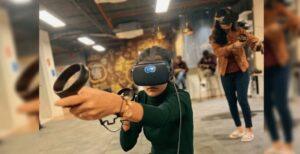
Immersive virtual reality experiences that transport visitors into the environments, the events, and the perspectives that the museum’s collection documents create the genuine presence in historical and cultural contexts that Gen Z specifically responds to. The experience of being inside the history—rather than looking at objects that represent the history—is the specific quality that VR enables and that museum galleries cannot replicate through conventional design.
Interactive digital contribution platforms that allow young visitors to add their own perspectives, their own interpretations, and their own creative responses to museum content—and to see those contributions incorporated into the museum’s living digital presence—create the participatory relationship with the institution that Gen Z’s participation values require.
The Social Media Strategy That Is Actually Social
The museum’s social media presence that is designed to attract Gen Z visitors needs to function as a genuine social space rather than a broadcast channel—which is a more radical institutional shift than it appears on the surface.
The museum Instagram account that posts beautiful object photography with authoritative captions is a broadcast channel. The museum TikTok that invites young creators to interpret and respond to collection objects; that features genuine behind-the-scenes content from curators and conservators that makes the museum’s people visible and human; that responds to comments with genuine engagement rather than institutional deflection; and that collaborates with young content creators to make content about the collection—this is a genuine social presence that earns the following of an audience that can distinguish immediately between institutions that are genuinely present in social media culture and institutions that are using social media as a promotional channel.
The social media content that drives physical museum visits from Gen Z audiences is content that creates the specific experience of curiosity about the actual objects and environments in the physical museum—that makes the museum visit feel like a resolution of genuine interest created by the social content rather than an obligation fulfilled for cultural credit.
Programming That Gen Z Wants to Attend
The museum programs that successfully attract Gen Z audiences share specific characteristics that distinguish them from conventional museum program design.
Evening and late-night programming acknowledges the reality of Gen Z schedules and social patterns. The museum that opens after dark, that creates evening social experiences rather than daytime educational visits, that positions itself as a genuine evening leisure destination rather than a daytime cultural obligation, is the museum that fits into the leisure calendar that Gen Z actually uses.
Collaborative programming with Gen Z creators, musicians, artists, and community organizations creates the genuine cultural relevance that institutional programming alone cannot manufacture. The museum event that is co-created with young people rather than created for young people generates the authentic word-of-mouth that no amount of institutional marketing can replicate.
Learning and making experiences—the workshop, the creative session, and the hands-on skill-building experience rooted in the museum’s collection and expertise—serve Gen Z’s strong interest in genuine learning and genuine creative making rather than the passive consumption of presented knowledge.
Gen Z will visit museums that give them genuine reasons to visit—experiences that earn their attention, respect their intelligence, accommodate their social nature, and create the genuine curiosity and genuine connection with history, art, and culture that museums exist to foster.
The museum that waits for Gen Z to develop the same relationship with cultural institutions that previous generations inherited is a museum that is waiting for something that will not happen.
The museum that reimagines its relationship with young audiences — genuinely, structurally, in the experiences it creates and the culture it embodies — is the museum that will define what museums are for the next generation.