

There is a particular irony sitting at the heart of Jharkhand that doesn’t get discussed enough. This is a state that sits on some of the richest mineral deposits in the entire country. Coal, iron ore, copper, uranium — the ground beneath Jharkhand has fuelled industries and economies far beyond its own borders for decades.
The steel in buildings across India and the power running through cities that have nothing to do with this state—a significant portion of it traces back here.
And yet Jharkhand itself remains one of the more overlooked states when conversations about opportunity, investment, and emerging markets happen. That irony is also, if you look at it correctly, the entire business case.
What Jharkhand Actually Looks Like From The Inside
Ranchi is not what most people picture when they imagine a state capital in this part of the country.
It has hills. Real ones, visible from the city, giving it a character that flat industrial cities simply don’t have. It has a growing professional class, a significant student population, improving infrastructure, and an evening culture that has developed quietly over the last decade without attracting much national attention.
The city has malls now. Restaurants that would hold their own in larger cities. A social scene built around the young professionals who have stayed rather than migrated and the students who arrive from across the state for education. Ranchi is genuinely liveable in a way that surprises visitors who arrived with low expectations.
Jamshedpur is a completely different story and needs to be treated as such. Tata Steel built this city essentially from scratch and the result is something unusual in Indian urban geography — a planned industrial city with genuine infrastructure, wide roads, green spaces, and a population that has historically had real purchasing power and very specific ideas about quality.
Dhanbad sits in the coal belt and carries the weight of that identity — gritty, hardworking, dense with people who have been extracting resources from the ground for generations while the city’s own development has moved slower than it should have. But Dhanbad has young people in real numbers and those young people are restless in a way that creates very specific opportunities for the right kind of business.
Bokaro, Hazaribagh, Deoghar — each of these places has its own distinct personality and its own version of the same story.
Jamshedpur Deserves Its Own Conversation
Spend any real time in Jamshedpur and you start understanding why people who grew up there are so fiercely attached to it.
It was designed to function. Parks are maintained properly. Roads laid out with actual logic. A township structure that gave residents amenities that cities three times its size were still struggling to provide. Tata Steel didn’t just build a factory—it built a community, and that community developed standards.
Those standards matter for a VR gaming cafe in a very direct way.
Jamshedpur residents will not tolerate a poorly run operation. Equipment that glitches, staff that are indifferent, an experience that feels cheap and hastily put together — these things will generate negative word of mouth in Jamshedpur faster than almost anywhere else because the baseline expectation of quality here is genuinely higher than surrounding cities.
But flip that around—get it right, and the same word of mouth works powerfully in your favor. A genuinely well-run VR cafe in Jamshedpur, priced fairly and maintained properly, will build a loyal regular crowd faster than most comparable locations because the city is primed to appreciate and reward things done well.
Ranchi’s Student Energy is the Starting Point
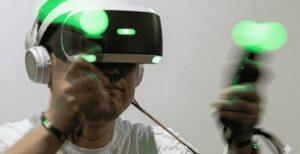
Ranchi has accumulated a meaningful cluster of educational institutions over the last two decades. Engineering colleges, medical colleges, management institutes, central government institutions—the city draws students from across Jharkhand and neighboring states who end up spending three to five formative years there.
These students are the core early audience for a VR gaming cafe, and they need to be understood properly.
They are not particularly different from students anywhere else in their fundamental needs—social connection, shared experiences, temporary escape from academic pressure, and something worth doing between study sessions that doesn’t require elaborate planning or significant expense.
What is different in Ranchi specifically is the scarcity of options meeting those needs. The student population exists in real numbers, but the entertainment infrastructure built around it remains thin. A genuinely good VR cafe positioned near the educational clusters in Ranchi is not competing in a crowded market. It is arriving in a space that has been waiting for something exactly like it.
The Mining Belt Has Money and Nothing To Do With It
This is the part of the Jharkhand opportunity that almost nobody talks about, and it’s genuinely significant.
The towns and smaller cities sitting in Jharkhand’s mining and industrial belt—places built around coal extraction, steel production, and power generation—have working populations with steady incomes and entertainment options that haven’t meaningfully evolved in years. Dhanbad is the most obvious example, but it’s far from the only one.
These are not poor communities. The industrial economy has provided stable employment and real incomes for generations of families. What hasn’t kept pace is the leisure infrastructure that should naturally accompany that economic activity.
A city where people earn decent wages but have almost nowhere interesting to spend them on experiences is not a difficult market to enter. It’s a market that is actively looking for reasons to open its wallet.
The frustration of having money and nowhere worth spending it is a very particular kind of consumer psychology, and it works strongly in favor of anyone who shows up with something genuinely new and well-executed.
Understanding How Jharkhand Actually Socialises
Jharkhand has a specific social texture shaped by its tribal heritage, its industrial communities, and the mixing of both that has happened in its cities over generations.
Community ties here are strong in a way that directly affects how people spend leisure time. Going out alone is less common than going out as a group—family groups, friend circles, and neighborhood clusters. Plans are made collectively, and the experience is expected to be shared rather than individual.
This social instinct maps almost perfectly onto what a VR gaming cafe actually delivers.
One person plays while the group watches. The reactions—the laughter, the surprise, the competitive commentary from friends watching the screen—are part of the entertainment for everyone present. The person inside the game is having one experience while the people watching are having an equally entertaining parallel experience.
In a culture where shared experience is the natural default mode of socializing, this dynamic doesn’t need to be manufactured. It arrives with the customers.
Build It For The Reality, Not The Ideal
Jharkhand is not the market for an expensive, over-designed concept that would work in a Delhi mall.
It is the market for something genuine. Real quality hardware that works every time without drama. Staff who are patient and warm with first-timers—and in Jharkhand’s cities, almost everyone walking through the door for the first month will be a first-timer. Pricing that respects the local economic reality without underselling what the experience is actually worth.
Ranchi is the natural starting point simply on the basis of population concentration and student presence. Jamshedpur is the second location that makes obvious sense given its purchasing power and quality-conscious consumer base. Dhanbad follows as the mining belt’s most commercially active city.
Start in one place. Get it genuinely right. Let the word travel—and in Jharkhand’s tight community networks, good words travel fast and stick longer than in most places.

The Timing Argument for Jharkhand
Jharkhand formed as a state in the year 2000, carved out with the specific promise that its resources and its people would finally be developed together rather than separately.
That promise has been delivered on unevenly. The minerals kept flowing out. The development came in patches. But the young population kept growing and kept watching what was available elsewhere and kept noticing what hadn’t arrived yet at home.
VR gaming infrastructure in Jharkhand outside of a handful of mall-based experiences in Ranchi is essentially nonexistent. The awareness of what VR is and what it offers exists among young people here—they’ve seen it online and heard about it from friends who studied in bigger cities. The physical access to it locally does not exist in any meaningful way.
That gap — between knowing something exists and being able to experience it where you live — is the whole opportunity stated as simply as possible. Jharkhand has spent decades sending its resources elsewhere to build things for other people. Now it is time to build something for itself.