
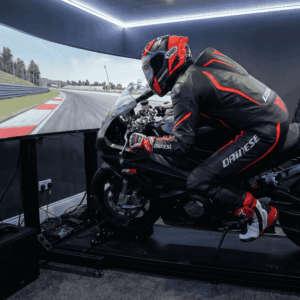
Bike Simulators — Ride Inside,Feel Like You’re Outside
Man, sometimes you just wanna ride. Streets are full, it’s raining, traffic is nuts. That’s when a bike simulator comes in handy. Looks like a normal stationary bike, nothing fancy. But the moment you sit and pedal… woah, feels real. Hills feel like hills, flats feel flat, handlebars move like you’re actually steering. Brain tricks you, suddenly you’re “outside.” Safe. Fun. And honestly… kinda addictive once you start.
What a Bike Simulator Is
A bike simulator is basically a bike that doesn’t move. Sensors on pedals and handlebars track your movements. Some have screens, some connect with VR. Advanced ones adjust resistance automatically depending on the virtual terrain.You can literally go anywhere. Mountains, streets, trails — all from your room. Beginners sit, pedal, figure stuff out. Fitness fans ride to sweat. Pros use it to train hard. Everyone finds their own reason to love it.
Why People Actually Love Bike Simulators
Honestly, it’s simple. Beginners can just sit and try stuff without worrying about falling. Pedal, brake, balance — all safe. For people who train, it’s gold. You can push yourself, go fast, do sprints, or just ride steady. All indoors. No traffic, no bad weather.
And it’s actually fun. No boring walls. You’re riding through forests, streets, hills — your brain forgets you’re inside. Plus, mentally it’s a little boost. Your brain thinks you’re outside. You feel the thrill. Zero danger.
Top 10 Ways People Use Bike Simulators
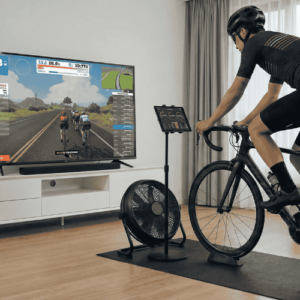
1. Just Riding at Home
Honestly, the simplest reason is just to ride at home. Sometimes the weather is terrible, or the streets are full of cars, or you just don’t feel like going outside. You sit on the simulator, pedal, maybe watch TV or listen to music, and it feels… surprisingly real. I’ve spent twenty minutes riding my own living room “trail” and got that same tired-but-good feeling like I just went outside.
2. Serious Training
Some friends who are into cycling swear by these bikes. You can do sprints, hills, long rides—all indoors. They even track your speed and power. I’ve seen people repeat the same hill over and over just to beat their last time. It’s intense, but safe. No cars, no potholes, no sudden rain ruining the session.
3. Learning to Ride
Beginners need a safe place to start. On a real street, it can be scary. On a simulator, you can pedal, steer, and brake as much as you want. Mistakes don’t matter. Nobody’s honking at you. I remember teaching my younger cousin on a simulator before letting him ride outside—by the time he got on a real bike, he was way more confident.
4. Making Gyms Less Boring
Gyms are sometimes boring, right? Staring at a wall while pedaling… not fun. But when the simulator shows a virtual forest or street, it’s a totally different experience. Some gyms even let you race other members online. It’s competitive, engaging, and suddenly people actually enjoy their workouts.
5. Virtual Racing
I did not expect this to be addictive. You can race friends or strangers online. Every turn and hill matters. Even casual riders get hooked. I’ve seen grown adults shout at their screens because someone passed them. It’s funny, but it motivates you to pedal harder.
6. Rehab and Recovery
If someone’s recovering from an injury, these bikes are perfect. Low-impact, easy on joints, controlled pace. Physical therapists recommend them because patients actually stick with the exercises—they’re fun! One guy recovering from knee surgery actually smiled while using it. That’s rare with normal rehab.
7. Practicing Road Skills
Some cycling schools use simulators to teach skills. Beginners practice braking, turns, and reacting to traffic in a safe environment. Mistakes aren’t dangerous, so learners gain confidence before trying real roads. It’s like a practice run without the stress.
8. Fun at Events
I’ve seen simulators at fairs and expos. People love trying them. They race friends, explore trails, and have fun. It’s interactive and memorable. Even I ended up trying one just to see how it felt, and I got hooked for a few minutes.
9. Tracking Progress
Modern simulators track everything—speed, distance, cadence, power. Even casual riders can see improvement over time. You start setting small goals: pedal faster, climb longer, hold a higher cadence. It makes every ride feel like an achievement, which is motivating.
10. Riding for Fun
Finally, the best reason: just to have fun. No goals, no stats, no racing. You ride through forests, streets, or imaginary worlds, and for a little while, you forget about everything else. It’s relaxing, enjoyable, and honestly a little addictive. You just enjoy pedaling for the sake of pedaling.
Why They’re Popular
Compact, smart, and affordable. Beginners, pros, or casual riders — everyone can use them. They make indoor cycling exciting, safe, and futuristic.
Bike simulators look simple but are really clever. Safe, fun, and effective. You can train, ride, and explore virtual worlds anytime. It’s a future of cycling you can enjoy today.