
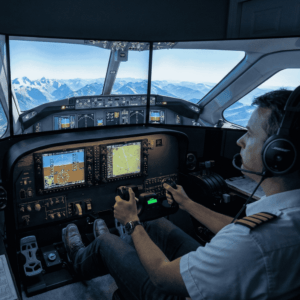
Flight Simulators – What They’re Really Used For
Most people hear “flight simulator” and instantly think game or pilot-only thing. Not really. People use them for all sorts of stuff. Fun? Sometimes. Mostly? Learning. Flying costs money. Flying is risky. One mistake can be huge. Simulator? You crash a dozen times. No cost. No fear.
At heart, it’s simple. Cockpit is the same. Controls are the same. Physics are the same. Just… no danger. That’s why people keep using it, again and again.
10 Real Ways Flight Simulators Are Used Today
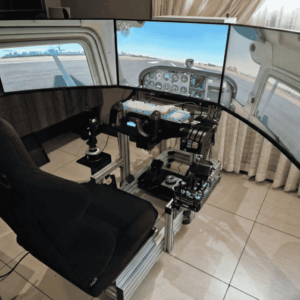
1. Learning to Fly Without Scaring Yourself
New pilots don’t jump into a real aircraft and figure things out mid-air. That would be stupid. Simulators are where they start. They learn how the controls respond, how turns feel, how landing angles work. They repeat the same thing again and again until it stops feeling confusing. No pressure. No fuel cost. No fear of crashing.
2. Airline Pilots Practicing Rare Situations
Commercial pilots spend hours in simulators even after years of flying. Why? Because some situations almost never happen in real life — engine failure, extreme weather, sudden system issues. You can’t wait for those things to happen in the air just to learn them. In a simulator, you can fail safely. Over and over.
3. Military Training Without Burning Fuel
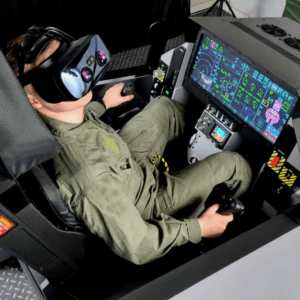
Military aircraft are expensive to fly and maintain. Simulators allow pilots to practice missions, formations, and decision-making without taking real jets into the sky. It saves money and avoids unnecessary risk. Real flying is still needed, but simulators handle the heavy repetition.
4. Testing Aircraft Before They Ever Fly
Before a new aircraft design touches the sky, it’s tested in a simulator. Engineers want to see how it behaves, how controls respond, and where things might go wrong. Fixing problems in software is easier than fixing them after a real crash. This step exists for a reason.
5. Understanding Pilot Mistakes
A lot of aviation research is about human behavior. Why did a pilot react late? Why did they miss a warning? Simulators help researchers recreate situations and watch how people respond. No guessing. No assumptions. Just observation.
6. Training Air Traffic Controllers
It’s not only pilots. Air traffic controllers also train with simulated flights. They learn how to manage crowded airspace, bad weather, and emergency calls. A mistake in real life affects hundreds of people. In a simulator, it’s just a lesson.
7. Flight Schools Saving Time and Money
Flying real planes costs a lot. Flight schools use simulators to teach basics so students don’t waste flight hours learning simple things. When they finally sit in a real cockpit, they already know what’s going on. It makes training faster and cheaper.
8. Emergency and Rescue Planning
Some simulators are used to plan rescue missions, firefighting flights, or medical evacuations. Pilots can practice flying low, landing in rough areas, or navigating bad conditions. These are not situations you want to “learn on the job.
9. Aviation Enthusiasts Who Want to Understand Flying
Not everyone wants to be a pilot. Some people just want to understand how flying works. Simulators give them that chance. They learn procedures, navigation, and aircraft behavior without pretending it’s a game. It’s curiosity. Nothing more.
10. Museums and Public Experiences
Museums and science centers use simulators so people can sit in a cockpit and see how complex flying actually is. It changes how people look at pilots and aviation. It makes things real instead of abstract.
Flight simulators exist because flying leaves no room for guessing. They’re not flashy. They’re not magical. They’re practical tools built for learning, testing, and preparation. Whether it’s a student pilot, an airline captain, or an engineer — the goal is the same. Learn here. Make mistakes here. So you don’t make them up there.