
People often say they “should” visit museums. Very few say they actually want to. That difference matters.
It’s not that museums are boring. Most museums are carefully built, deeply researched spaces. The problem is that people usually don’t know what they’re walking into. A museum feels formal before you even enter it. You imagine silence, long explanations, and rooms that expect you to already understand something.
So unless a museum visit is planned by a school, included in a travel itinerary, or suggested by someone else, many people postpone it. Not because they dislike history or art, but because they don’t feel prepared for it. That hesitation is exactly where 360° image-based museum tours quietly fit in.
Seeing a Place Changes How We Think About It
When you can see a place, it stops being abstract. It becomes real.
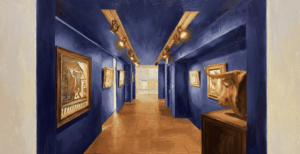
A 360° museum tour doesn’t try to teach you anything at first. It doesn’t explain dates or movements or styles. It simply places you inside the space. You look around. You notice the size of the room. You see how objects are arranged. You begin to understand the mood of the place without anyone telling you how to feel. That alone removes a lot of mental distance.
What Makes a 360° Image Tour Different
A 360° image tour is not a video. Videos move whether you’re ready or not. They decide what you see next.
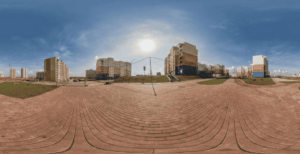
In a 360° tour, nothing moves unless you move it. You are standing still inside a photograph that captures everything around you. You can look at the ceiling, the floor, a wall, or a single object for as long as you want. When you feel done, you move forward.
There’s no voice guiding you. No background music. No pressure to “continue watching.” It feels less like content and more like presence.
Why Museums Use Image-Based Tours Instead of Flashy Media
Museums are careful places. They don’t chase attention the way entertainment platforms do. Their responsibility is preservation, not performance. Image-based 360° tours suit that mindset. They don’t exaggerate. They don’t dramatize. They show the space as it exists.
For heritage and cultural institutions, this matters because:
- artifacts are fragile
- spaces are often protected
- visitor movement must be controlled
- not everyone can visit physically
A virtual tour allows access without risk. It invites curiosity without crowds.
Understanding Objects Through Their Surroundings
A painting online looks like an image. A painting inside a gallery feels like an object. That difference comes from context.
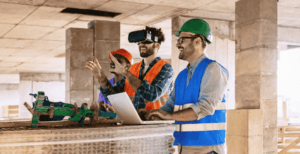
In a 360° museum tour, you don’t just see the artifact. You see how much space it occupies. You see what’s beside it. You see whether it stands alone or shares attention with others. You notice how lighting changes its appearance.
This kind of understanding doesn’t come from descriptions. It comes from spatial awareness. Museums were designed as environments, not catalogs. Image-based tours respect that.
What You Usually See in a Virtual Museum Walkthrough
Most museums don’t include everything, and that’s intentional. A good tour is selective.
Typically, you’ll see:
- the main entrance and first impression area
- introductory galleries that set the theme
- key exhibition halls
- art or artifact rooms
- architectural features that define the building
Private collections, storage rooms, and conservation areas are usually excluded. That’s not hiding. That’s focus.
How These Tours Are Actually Put Together
Before a single image is captured, someone walks the museum repeatedly. They observe how people naturally move. Where they stop. Where they slow down. Where they feel overwhelmed. The camera placement is decided based on that movement, not convenience.
Museums are difficult to photograph. There are glass cases, reflections, mixed lighting, and strict rules about positioning. The photographer adjusts patiently. Nothing is moved. Nothing is staged. Once the images are ready, they’re connected slowly. One room leads to the next exactly as it does in real life. No shortcuts. No confusing jumps. The result feels calm because it is calm.
How People Actually Use These Tours
These tours are not always used in obvious ways. Students open them while working on assignments. Teachers use them to explain space, not just content. Travelers explore them briefly to see if a visit feels right. Researchers use them to understand layout and display logic.
Some people open them for five minutes. Some spend an hour. Both are valid. There is no correct way to use a museum tour.
What Museums Gain Without Losing Control
From an institutional point of view, these tours offer quiet advantages:
- visitors arrive with better understanding
- fewer basic questions need repeating
- physical spaces face less strain
- exhibitions gain a digital record
- outreach extends beyond geography
Importantly, museums don’t lose control of their narrative. They simply open the door visually.
Who Benefits the Most
These tours help people who:
- feel unsure about visiting museums
- learn better through visuals
- cannot travel easily
- want to explore privately
- prefer to observe before engaging
They are especially helpful for first-time visitors who don’t want to feel lost.
360° image-based museum and art gallery tours don’t replace real visits. They reduce fear of the unknown.
They allow people to arrive informed, calm, and curious instead of hesitant. By letting people look without expectation, these tours make culture feel approachable again. No pressure. No performance. Just space, preserved and shared quietly.