
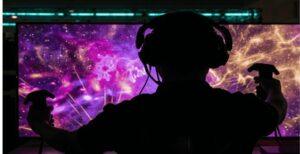
Goa breaks almost every rule people try to apply to it. It’s too small to be taken seriously as a business market by those who only look at population numbers. It’s too tourism-dependent to be considered stable by people who only think about local spending. It’s too laid-back culturally to be seen as a place where something new and tech-forward could find a genuine audience.
Every single one of those assumptions is wrong and provably so.
Goa is one of the most interesting places in India to start an experience-based business right now and the reasons why are hiding in plain sight if you’re actually paying attention.
Goa Is Not One Market—It’s Several Running Simultaneously
This is the first thing anyone serious about doing business in Goa needs to understand.
There is the tourist Goa—the beaches, the shacks, the nightlife, and the people passing through for three days or three weeks before heading somewhere else. This market is real, consistent, and willing to spend on experiences without much convincing.
Then there are the local Goans who have lived here their entire lives, who have watched their state transform around them, and who have their own relationship with leisure, socializing, and spending that has nothing to do with what tourists are doing nearby.
And then there is the third Goa that people rarely talk about—the migrants, the remote workers, and the people from across India and abroad who have relocated to Goa semi-permanently because the lifestyle suits them. This crowd is young, digitally native, financially comfortable, and genuinely hungry for experiences that go beyond beach sunsets and seafood dinners.
A VR gaming cafe in Goa doesn’t have to choose between these markets. It can serve all three simultaneously without compromising any of them. That multi-market reality is genuinely rare and genuinely valuable.
The tourist market is more useful than people realize.
Most businesses in Goa are either entirely dependent on tourists or deliberately avoiding them. Both extremes miss something.
Tourists in Goa spend their first two days doing the obvious things—beaches, churches, markets, the standard itinerary. By day three something interesting happens. They’ve seen what they came to see, and they start looking for something off the beaten path. Something to do in the evening that isn’t another beach bar. Something genuinely different that they can’t do at home or haven’t done before.
VR gaming hits that need almost perfectly. Most domestic tourists visiting Goa have never tried VR properly. International tourists who have tried it elsewhere will find it genuinely interesting to experience in such an unexpected setting. The conversation it generates—”We tried VR in Goa of all places”—is exactly the kind of memorable, shareable experience that modern travelers actively seek out.
Word of mouth among tourists moves differently from word of mouth among local residents, but it moves fast in its own way. Travel groups, review platforms, and social media posts from people mid-holiday—a genuinely good VR experience in Goa will travel through these channels without you doing anything to push it.
The Remote Worker and Relocator Crowd Changes Everything
This is the part of the Goa opportunity that most people completely overlook, and it might actually be the most important piece.
Over the last several years, Goa has quietly become one of India’s most significant hubs for remote workers, digital nomads, freelancers, and people who have deliberately chosen lifestyle over proximity to a metro city. Areas like Panjim, Mapusa, and parts of North Goa have genuine concentrations of this crowd living semi-permanently and looking for a social life that goes beyond what a beach town traditionally offers.
These people are not tourists. They live here. They need regular things to do with their evenings and weekends. They are tech-comfortable in a way that makes VR immediately approachable rather than intimidating. They have disposable income. And critically—they are chronically underserved by Goa’s entertainment infrastructure, which remains almost entirely built around the tourist experience rather than the needs of long-term residents.
A VR cafe that positions itself as a genuine community space rather than a tourist attraction will find this crowd becoming its most loyal and most consistent customer base. These are the people who come back every week, bring new arrivals into the fold, and turn a business from a novelty into a fixture.
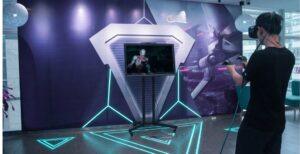
Location Is Everything and Goa Rewards Getting It Right
Panjim is the obvious starting point, and for good reason. It’s the capital, it has consistent foot traffic from both locals and visitors, it has the infrastructure that supports a properly run business, and it has enough of the remote worker crowd to provide a stable non-tourist customer base.
Calangute and Baga work for pure tourist volume but come with seasonal volatility that needs to be planned around carefully. The peak season in North Goa is genuinely lucrative but the lean months require a business model that doesn’t collapse when tourist numbers drop.
Mapusa sits in an interesting middle ground — enough local population, enough passing traffic, lower costs than the coastal tourist areas, and a growing residential crowd that doesn’t get enough attention from businesses thinking purely about tourist footfall.
The Seasonal Reality Needs a Direct Answer
Everyone who thinks about doing business in Goa eventually arrives at the same concern—what happens in the off-season?
It’s a legitimate question, and it deserves an honest answer rather than being brushed aside.
The off season in Goa is not as dead as outsiders imagine. Local residents don’t disappear. The remote worker crowd actually tends to prefer the quieter months. Domestic tourists continue visiting year-round even if international numbers drop. A VR cafe that has built genuine relationships with local and semi-permanent residents during the peak season will carry those relationships through the slower months.
The mistake is building entirely for peak season and hoping the rest takes care of itself. Build for the locals and long-term residents first. Let the tourist traffic be the bonus rather than the foundation.
The setup should match the Goa personality.
Goa has a specific aesthetic sensibility that businesses here either understand or don’t. The places that feel forced — too corporate, too clinical, too obviously transplanted from a Delhi mall — tend to struggle with local acceptance regardless of their quality.
A VR cafe in Goa should feel like it belongs here. Not a sterile gaming room but a space with personality — comfortable, visually interesting, relaxed enough that people want to spend time there even when they’re not actively playing. Good lighting, thoughtful design, the kind of atmosphere that makes people take photos because the space itself is worth photographing.
In Goa, the vibe is half the product. Get the vibe right and the actual VR experience becomes something people are already predisposed to enjoy before the headset goes on.
Why This Works Here and Why Now
Goa’s entertainment infrastructure has not kept pace with the kind of crowd the state has been attracting over the last five years. The lifestyle is genuinely excellent here. The things to do after six in the evening remain surprisingly limited for a state with this much going on.
That gap — between the quality of life Goa offers and the quality of entertainment options available — is where this business lives.
Fill that gap properly, in the right location, with genuine quality and a space that feels like it belongs here.