
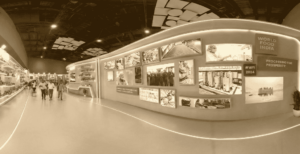
Honestly, finding a good venue for any event is one of the most stressful parts of planning. I remember helping my cousin plan her wedding last year, and it was… wow, a nightmare at first. You scroll through photos online, thinking, “Yeah, this looks amazing,” and then you step in and—bam—it’s tiny, or the stage is in the weirdest place, or the lighting is just terrible. Weeks of stress for basically nothing.
Then someone mentioned 360° virtual tours, and at first I rolled my eyes. I was like, “Okay, fancy photos, whatever.” But no. They actually work. Like, I could literally walk around the hall on my laptop, zoom in on corners, check the lighting, move from one room to another… and I didn’t have to leave my couch. It felt like cheating, but in the best way possible.
Why 360° Tours Are a Game-Changer
Here’s the thing: planning events takes energy. And let’s be real, running around multiple venues, juggling schedules, and trying to picture a space from photos alone is exhausting. These tours save you so much of that headache.
You get a real feel for the space. Not some staged “look how huge this hall is” photo, but the actual room. You see how sunlight hits it at different times, how far tables are from the stage, how the room flows. For weddings, that means no surprises when guests sit down. For stadiums, you can check sightlines and entrances. Exhibitions? You can plan booth layouts and traffic flow without guessing.
It’s not just convenient—it actually makes planning fun. Weird, right? But scrolling around a hall or stadium online and moving things around virtually gives you a sense of control you normally don’t get until the day of the event.
Wedding Halls
Weddings are probably the trickiest. The hall sets the whole vibe—flowers, food, DJ, everything depends on how the space feels. A cramped, awkward hall can ruin even the most perfect setup.
With 360° tours, you can:
- See exactly how tables and chairs fit. Don’t trust those pretty photos—they lie.
- Check stage placement and imagine guest sightlines.
- Test the lighting for photos, because Instagram filters don’t count.
- Some platforms even let you drag and drop furniture virtually. Seriously, it’s fun.
I remember my cousin and I moved the virtual stage around three times before deciding where it looked best. Felt like playing a mini Sims game, but for a wedding.
Stadiums
Stadiums are another beast. They’re huge, confusing, and one mistake in planning can leave people in bad seats or missing the stage entirely.
360° tours let you:
- Check exactly how the view is from each seat.
- Plan entrances, VIP zones, and exits without guessing.
- See ramps and accessibility features—because yeah, that matters.
Even if you’re just exploring for fun, it’s kinda satisfying to “walk” through a stadium online. I spent like ten minutes just clicking around one before a friend’s concert, and it helped me understand the layout way better than photos ever could.
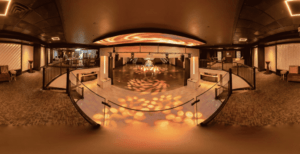
Exhibition Halls
Exhibitions can get chaotic fast. Booths, crowds, electricity, emergency exits… one tiny oversight, and it’s a disaster.
360° images help you:
- Figure out booth placements and traffic flow.
- Check lighting and outlets before setup.
- Ensure emergency exits are clear.
Without these tours, planning an exhibition feels like arranging furniture while blindfolded. With them, it’s like having a cheat sheet.
Real-World Use of 360° Tours
Here’s what makes these tours most effective:
- Explore every corner: Don’t just stick to the default view. Zoom, pan, walk around. Imagine different setups.
- Try VR if possible: Makes it feel even more like you’re actually there.
- Take screenshots: Super useful when comparing multiple venues later.
- Check a few options first: Look at 2–3 venues online before visiting in person. Saves so much time and energy.
It sounds simple, but honestly, following these steps changes the whole planning experience. You go from stressed-out and confused to confident and, weirdly enough, excited.
360° virtual tours are seriously changing the way we plan events. From weddings to concerts to exhibitions, they save time, reduce stress, and make it way easier to visualize the space. You get to see the venue as it actually is, not just the photos the manager wants you to see.
If you’re planning an event, try a 360° tour first. You might end up feeling like a pro event planner, sitting on your couch in pajamas with a cup of coffee. And yes, it’s actually kind of fun.