
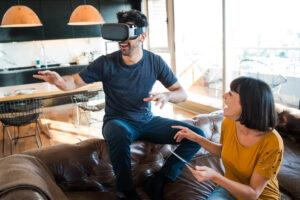
Madhya Pradesh doesn’t get enough credit. That’s honestly the best place to start this conversation.
It sits right in the center of the country — literally, geographically, undeniably — and somehow still manages to fly under the radar when people talk about business opportunities, emerging markets, and places worth paying attention to. Everyone rushes to the coasts, to the metros, to the obvious choices. Meanwhile, MP just sits there, quietly growing, waiting for people to notice.
MP is Not What Most People Picture
Say “Madhya Pradesh” to someone who hasn’t spent real time there, and they’ll probably mention Khajuraho, maybe Kanha, and possibly Bhopal if they follow the news. What they won’t picture is a state with multiple large cities, millions of young people, dozens of universities, and a consumer base that is genuinely hungry for experiences that go beyond what currently exists for them.
Bhopal alone tells a story that surprises people. It’s a city with real infrastructure, a significant student population, a growing professional class, and evenings that fill up with people looking for somewhere worth going. The options available to them remain surprisingly limited for a city of that size. Same restaurants, same malls, same familiar circuit that everyone has been doing for years.
Indore is even further along. It consistently ranks among India’s cleanest cities, has a food culture that people travel specifically to experience, and has a young population that is more commercially aware and experience-hungry than almost any comparable city outside a metro. Indore’s crowd knows what’s out there in bigger cities. They want access to it locally. They are willing to spend on it when it shows up.
Gwalior, Jabalpur, Ujjain — each of these cities has its own distinct personality and its own underserved young crowd sitting in it waiting for something new to walk through the door.
The student factor is bigger than people realize.
Madhya Pradesh has a genuinely enormous student population spread across its cities. Universities, engineering colleges, medical colleges, polytechnics—the state has invested significantly in education infrastructure over the last two decades, and the result is a consistent, renewable supply of young people living in cities away from home.
This matters for a VR gaming cafe in ways that go beyond just having potential customers nearby.
Students living away from home for the first time develop social habits quickly. They find their spots — the chai place, the food street, the hangout — and they return to those spots repeatedly and bring new people along. When a VR cafe becomes part of that rotation early, it doesn’t just get one visit from a student. It gets months of visits, and it gets introduced to every new friend that student makes along the way.
The other thing about students specifically is that they talk. Constantly. Online, offline, in hostels, in classrooms. A genuinely good experience travels through a student network at a speed that paid marketing cannot match. Get the experience right for the first wave of student visitors and the word of mouth handles the rest almost automatically.

Indore Deserves Special Attention
Indore is genuinely a different conversation from every other city in MP, and it needs to be treated that way.
This is a city that has figured something out that most comparable cities haven’t—it has developed a genuine culture of going out, spending on experiences, and trying new things without needing to be convinced. The food scene here didn’t become famous by accident. It became famous because Indore’s residents actively support new things that are done well. They show up, they spend, they tell people, and they come back.
That same energy applies directly to experience-based entertainment. A well-run VR cafe in Indore is not starting from zero in terms of convincing people that spending on an experience is worthwhile. That argument has already been won by the city’s own culture. You’re walking into a market that already believes in what you’re selling.
Location matters enormously in Indore specifically. The city has areas with consistent evening foot traffic that practically deliver customers without any effort. Position yourself correctly, and visibility alone does significant work in the early months.
The Pace of Life Here Creates the Perfect Window
Something specific about MP doesn’t get discussed in business contexts—the pace of daily life here creates a very particular kind of evening energy.
Days in MP’s cities tend to follow a working rhythm that winds down by early evening. By six or seven, people are out. Not rushing somewhere specific, not running errands — just out, moving, looking for somewhere to land. Groups form naturally. Plans get made on the spot. Someone suggests something, and if it sounds interesting, the group goes.
This spontaneous, unplanned evening movement is genuinely valuable for a walk-in business. You are not competing for calendar appointments or advance bookings. You are competing for the attention of groups already in motion, already open to something interesting, already physically near your location.
Make the space visible. Make it look fun from the outside. Make it easy to walk into without feeling like you need to have done research beforehand. In MP’s evening culture, that combination is often all the invitation people need.
What The Setup Actually Needs to Look Like
Forget the elaborate, expensive, everything-at-once approach. It doesn’t suit the market and it doesn’t suit the moment.
Start with five or six quality VR stations. Price them accessibly—not cheaply, but accessibly. The distinction matters. Cheap signals low quality. Accessible signals that you understand your customer’s reality without undervaluing what you’re offering.
Staff who are patient with first-timers are non-negotiable. Most of your early visitors will never have used a VR headset before. The difference between someone who leaves saying it was confusing and someone who leaves already planning their return visit often comes down entirely to how well they were guided through the first five minutes.
Get those first five minutes right every single time, and everything else follows naturally.

Timing is the whole conversation right now.
MP is at a specific moment in its development where the awareness of what’s possible is growing faster than the supply of businesses actually delivering it. Young people in Bhopal and Indore and Gwalior know what exists in Pune and Hyderabad. They’ve seen it online, heard about it from friends who studied elsewhere, and wondered when something similar would show up where they live.
First mover advantage in experienced businesses in mid-sized Indian cities is not a small thing. The first VR cafe that opens in Jabalpur doesn’t just get early customers — it gets to define what a VR cafe means in that city. It sets the standard, builds the habit, and creates the reference point that every competitor who arrives later gets measured against.
That position is available right now in most of MP’s major cities. It will not be available indefinitely. Madhya Pradesh is in the middle of everything — always has been. The question is whether you want to be in the middle of what’s coming next.