
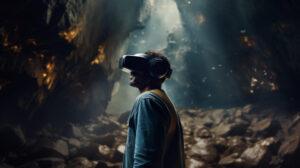
There is a specific energy that exists in competitive physical spaces that no single-player entertainment experience can replicate.
Walk into a bowling alley when a serious game is happening between two competitive groups and you feel it. Walk into a go-kart track when strangers start racing each other properly and you feel it. Walk into an arcade when two people are genuinely competing on the same game and you feel it. It is the energy of real competition between real people in a shared physical space — the laughter, the trash talk, the genuine tension of not knowing who is going to win, the crowd energy of people watching and reacting.
This energy is what a VR multiplayer arena delivers — and it is what no VR gaming cafe, no home VR setup, and no online multiplayer experience can properly replicate. Because the players are physically present together, physically moving, physically reacting, and physically competing in a shared space where everyone can see everyone else.
What a VR multiplayer arena! Actually Is
A VR multiplayer arena is a purpose-built space where multiple players simultaneously share a virtual environment — seeing each other as avatars, competing or cooperating in real time, with their physical movements in the real space translating into movements within the shared virtual world.
The technology that makes this possible—free-roam VR, shared virtual environments, and real-time multiplayer synchronization—has reached a level of reliability and accessibility that makes commercial deployment genuinely viable in a way that was not true even three years ago. Players wearing VR headsets move through a physical arena while simultaneously navigating a shared virtual environment. They can see each other as virtual characters. They can compete directly. They can strategise, communicate, and experience genuine competitive moments together.
The experience is categorically different from any other entertainment format available because it combines the physical engagement of actual movement with the environmental freedom of virtual worlds and the social energy of genuine multiplayer competition in a shared physical space.
Why This Business Model Works
The multiplayer arena model has several commercial advantages over the single-player VR gaming cafe model that make it worth understanding specifically.
Per-session revenue is higher because the experience requires booking the arena rather than individual headsets — a group of six players booking a thirty-minute multiplayer arena session generates significantly more revenue per session than six individual VR gaming cafe bookings. The group booking dynamic means revenue arrives in larger chunks and is more predictable.
The competitive and cooperative social dynamics of multiplayer VR create stronger word-of-mouth than single-player experiences because the stories people tell after a genuinely competitive VR multiplayer session are more vivid, more specific, and more compelling than stories about individual gaming experiences. “We were down by one elimination with thirty seconds left and I managed to take out their last player from across the map” is a story people tell. “I played a VR game” is not.
Repeat visit rates for competitive multiplayer experiences are stronger than for single-player ones because competitive dynamics create a specific return motivation — the desire to win next time, to beat a previous score, to prove something to the people you played with last time — that is more reliable than general entertainment curiosity.
The Experience Categories That Work
Team vs Team Combat
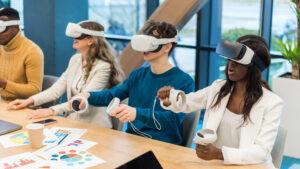
The most immediately compelling multiplayer VR format — two teams of three to four players competing in a shared virtual environment with competitive objectives. The physical presence of both teams in the same arena, the visible reactions of opponents and teammates, and the genuine competitive stakes of a real-time match create an experience that generates the strongest emotional memories and the strongest word-of-mouth of any VR entertainment format.
Cooperative Mission Experiences
Groups of four to six players working together to complete shared objectives in a virtual environment. The cooperative format works particularly well for corporate team building because it requires genuine communication, role distribution, and collective problem-solving in ways that individual VR experiences simply cannot generate.
Competitive Tournament Formats
Running scheduled tournaments—weekly competitions, corporate league formats, school and college championship events—creates a competitive community around the arena that drives regular bookings beyond casual group sessions. Tournament formats give regular customers a structured reason to return and give the arena a marketing calendar of events that generates ongoing social media content and community building.
Space and Technical Requirements
A VR multiplayer arena requires more physical space than a standard VR gaming cafe because the free-roam nature of the experience involves genuine movement through the play space. A minimum of one thousand to fifteen hundred square feet of clear arena floor area supports a six to eight player simultaneous experience with adequate safety margins between players.
The technical infrastructure for a VR multiplayer arena is more complex than standard headset-based VR gaming—position tracking systems, network infrastructure for real-time multiplayer synchronization, and the software platforms that manage the shared virtual environment all require careful setup and reliable maintenance. This is not insurmountable, but it is genuinely more technically demanding than operating a VR gaming cafe and the setup investment reflects that.
Getting Started With Rented Equipment
Renting equipment from us for your initial validation period allows you to run trial sessions before committing to the full technical infrastructure investment. Understanding the specific multiplayer formats that your local market responds to most strongly, the group sizes that generate the best session economics, and the price points that balance accessibility with commercial viability — all of this is genuinely valuable intelligence that rented equipment lets you gather before your purchase decision.
As your session volume builds and your booking pipeline becomes predictable, purchasing your own equipment through us becomes the financially obvious decision. We can advise on the headset configuration and tracking infrastructure that best serves a free-roam multiplayer deployment specifically — because the technical requirements differ meaningfully from standard seated or standing VR gaming setups.
Building the Competitive Community
The long-term commercial value of a VR multiplayer arena comes from the competitive community it builds rather than from individual casual bookings. A community of regular players who compete against each other, who know each other, who follow the arena’s tournament schedule and show up to watch as well as to play — this community sustains a business through seasonal fluctuations and generates the social credibility that makes casual new customers feel they are joining something worth joining rather than simply visiting a venue.
Build this community deliberately. Create a visible leaderboard. Run regular tournaments. Give regular competitive players recognition and status within the arena’s social ecosystem. The competitive instinct that drives athletic communities is the same instinct that will drive a VR multiplayer community if you give it the structure and the competition calendar it needs to organize around.
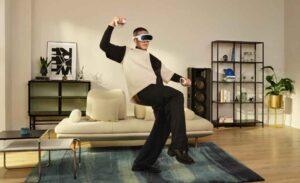
The VR multiplayer arena is the most socially compelling and commercially distinctive VR business model available because it does something that no other entertainment format can replicate — it creates genuine competitive sports experiences in a virtual environment with the physical presence and social energy of real competition.
The energy in a VR multiplayer arena during a close competitive match is unlike anything in conventional entertainment. It has to be experienced to be understood, and once experienced, it is genuinely difficult to forget.
We have the equipment for rent during the validation phase and for purchase when your volume and your confidence in the market justify it.
The arena, the community, and the competitive culture that makes this business genuinely extraordinary are yours to build.