
Exploring Venues Online: Weddings, Conferences, and Stadiums
People don’t trust photos anymore. Everyone knows pictures lie. Wide-angle lenses, heavy editing, selective angles — all of it looks good online and feels disappointing in real life. This is true for wedding halls, conference venues, and especially big spaces like stadiums.
Because of this, people now want to see the place properly before they make any decision. Not later. Not after three phone calls. Right now. This is where virtual events and 360° venue tours fit in.
They didn’t become popular because they’re fancy technology. They became popular because they solve a problem.
What a 360° Venue Tour Actually Does
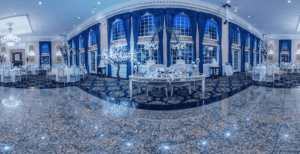
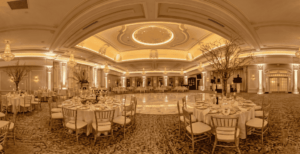
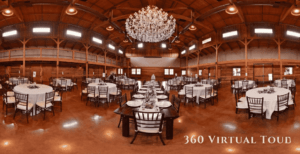
A 360° tour lets someone look around a venue on their own. No forced slideshow. No “best angle only” photos. You can turn around, move forward, look at corners, ceilings, exits — the boring stuff that actually matters during an event.
It’s not perfect, and it’s not meant to replace a physical visit. But it answers most of the basic questions people have before they invest time and money in coming over.
Virtual Events Are About Interaction, Not Just Viewing
Virtual events are often misunderstood. People think it just means a video call or a live stream. It’s more than that.
A virtual venue event usually means someone is walking through the space live, explaining how things work, showing real setups, and answering questions on the spot. For weddings, conferences, or stadium bookings, this saves a lot of back-and-forth.
People feel more comfortable asking questions online. They also remember what they saw, not just what they were told.
Why Couples Love 360° Wedding Venue Tours
Wedding planning is messy. Too many opinions, too many expectations, and very little time. Couples want clarity, but they don’t always know what to ask when they visit a venue.
With a 360° tour, they can explore quietly. They can watch it again. They can show it to parents or relatives without dragging everyone to the venue.
For destination weddings, this matters even more. Nobody wants to travel just to find out the venue doesn’t feel right. Virtual tours help couples eliminate wrong options early.
Virtual wedding showcases also help venues. People who attend them are usually serious. They already understand the space, so conversations move faster.
Conferences and Corporate Events Need Fewer Surprises
Corporate events don’t allow mistakes. If the hall feels smaller than expected or crowd movement becomes a problem, it reflects badly on the organizer.
Event planners use 360° tours to understand layouts properly. Where will people enter? Where will stalls go? Will networking areas feel cramped? These things are hard to judge from photos.
Virtual conferences and hybrid events are now normal. Some people attend in person, some online. When done properly, virtual platforms allow real interaction, not just passive watching. This has made events more flexible and, in many cases, more affordable.
Stadiums Are Not Just for Match Days
Stadiums are huge, and most people only ever see a small part of them. But these spaces are used for weddings, concerts, exhibitions, and corporate events.
360° stadium tours help people understand what’s actually available — lounges, boxes, hospitality areas, and event zones that are otherwise hard to explain.
For fans, it’s exciting. For sponsors and clients, it’s practical. They can see where branding will appear and what kind of experience guests will have. That clarity speeds up decisions.
Virtual events hosted by stadiums also keep engagement alive when nothing physical is happening.
Why Virtual Tours Have Become Essential
The biggest reason is simple: convenience. People want answers quickly. They don’t want five calls and two visits just to decide if a place is worth considering.
Virtual tours reduce unnecessary visits, while virtual events filter out casual inquiries. By the time someone reaches out seriously, they already understand the space.
Another reason is honesty. When people can explore freely, expectations stay realistic. This avoids problems later.
Technology Helps, But Effort Matters More
Not every virtual tour works. Some are rushed, poorly shot, or confusing. Those do more harm than good.
A good virtual experience needs planning. Clear movement. Decent lighting. And most importantly, it needs to show the venue as it really is, not as someone wishes it looked.
Virtual Venue Experiences Are Here to Stay
Virtual events and 360° venue tours aren’t going anywhere. They’ve become part of how people research and decide.
Physical visits will always matter, especially for final confirmation. But the first impression now happens online. And if that impression isn’t clear, people simply move on.
For weddings, conferences, and stadium spaces, virtual experiences have made things simpler, more transparent, and more realistic. That’s why they’ve stuck around.