
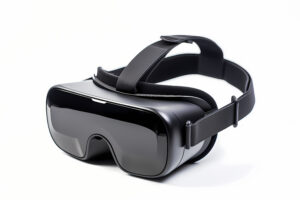
VR is finally starting to feel like something you can actually use without getting frustrated. Some headsets need a full PC to run, and yeah, they look amazing and the games are super detailed, but setting them up can be a headache. Others are standalone, light, and you just put them on and start playing. For most people, that’s way more convenient.
Comfort really matters. Some headsets are heavy or press on your face weirdly, and after twenty minutes you just want to take it off. Tracking is another thing — if your hands don’t move right in the game, it’s annoying fast. Libraries differ too; some headsets have tons of games, others only a few really polished ones.
At the end of the day, the “best” headset depends on what you want. You might prefer simple, straightforward VR that works immediately without any hassle, or you could be looking for the highest-quality visuals and are willing to manage a PC setup for it. There’s something for everyone now, and honestly, it’s getting easier to just pick one, put it on, and actually enjoy VR.
Virtual reality has come a long way, and there are now headsets for almost every kind of user. Some focus on ease of use, others on graphics, and a few on professional applications. Below, we take a quick look at the most notable VR headsets available today.
Meta Quest 3 – The One That Fits Almost Everywhere
The Meta Quest 3 is not a “perfect” headset, and maybe that is exactly why people like it. It doesn’t feel over-engineered. It works straight out of the box, without creating unnecessary confusion. The setup is simple enough that even someone trying VR for the first time won’t feel lost.
The visuals are clearly better than the Quest 2, but not in a dramatic, shocking way. The difference shows up slowly. Text looks sharper. Objects feel more solid. Walls and doors don’t look flat anymore. The mixed-reality passthrough is fine for experimenting, but it can still feel slightly artificial at times.
Battery life doesn’t last long. That’s the truth, and there’s no clever way around it. After a while, charging becomes part of the experience. Comfort is also average with the default strap. You either adjust and live with it, or spend extra to fix it.
Still, if someone wants a headset that can handle games, fitness apps, videos, and casual use without complications, the Quest 3 remains the most practical option and it doesn’t demand much thinking, which is exactly why people keep choosing it.
Meta Quest 3S – When Budget Matters More Than Extras
The Quest 3S exists for people who want VR without overthinking the specs. It feels familiar the moment you put it on. Nothing about it tries to impress you instantly, and that’s kind of the point.
The performance is solid. Games load quickly, tracking stays stable, and the headset doesn’t fight you while setting it up. Where it saves money becomes obvious only if you start comparing displays closely or expecting premium mixed-reality features.
It’s not flashy. It’s not ambitious. But it does the basics well enough that most users won’t feel like they’re missing out unless they already know what better hardware looks like.
For first-time users or people who just want something reliable at a lower price, the Quest 3S makes sense in a very straightforward way.

Apple Vision Pro – When Technology Turns Into a Showpiece
The first reaction most people have when they see the Vision Pro is simple: this is different. It doesn’t behave like a normal VR headset. Gaming is not the main focus here. The attention is on work, screens, and digital environments. When you put it on, it feels like a powerful computer has been placed directly on your face.
The display quality is genuinely impressive. Text looks almost like it’s on a real monitor, and your eyes don’t feel strained. Eye tracking feels surprisingly natural. You don’t really press buttons anymore—you just look and gesture.
That’s where the problems begin. This headset doesn’t feel made for everyday users. The weight is noticeable. The battery hangs outside. And the price doesn’t need much explanation.
For people curious about future technology or new ways of working with screens, it’s fascinating. For most others, it remains something to admire from a distance.
Samsung Galaxy XR – Premium, But Still Finding Its Identity
Samsung’s Galaxy XR headset feels confident the moment you hold it. The build quality is strong, the design is clean, and comfort is clearly something Samsung cared about. Wearing it doesn’t feel like wearing an experiment.
The experience itself is smooth. Apps run well, tracking behaves properly, and switching between VR and mixed reality feels natural. It doesn’t overwhelm you, but it doesn’t surprise you either.
The only real question is purpose. It doesn’t fully commit to gaming, productivity, or casual use. It tries to cover everything, which is useful, but also makes it harder to describe who it’s really for.
If you want high-end hardware without being locked into Apple or Meta, Galaxy XR feels like a safe, if slightly cautious, choice.
PlayStation VR2 – Built Only for One Job
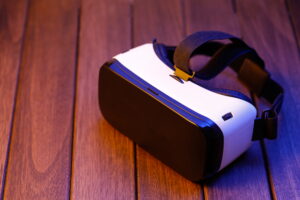
PlayStation VR2 doesn’t pretend to be flexible. It knows exactly what it is. This headset exists to deliver strong VR experiences powered by a console, and it sticks to that role.
Once everything is connected, the experience feels polished. Games look sharp, motion feels smooth, and the controllers add a level of feedback that actually changes how games feel. You can tell it was designed alongside the console, not added later.
The downside is obvious. Without a PlayStation, the headset is useless. There’s no standalone mode, no portability, no casual pick-up-and-play.
But if you already live inside the PlayStation ecosystem, this headset feels focused in a way many others don’t.
Valve Steam Frame – A PC Gamer’s Patience Test
The Steam Frame hasn’t arrived yet, but people are already talking about it like it has. That alone says something. Valve doesn’t rush hardware, and when it finally releases something, it usually feels deliberate.
What makes this headset interesting is its direction. SteamOS, PC-first thinking, and wireless PC VR support suggest it’s being built for people who already know what they want. No hand-holding. No closed ecosystem.
Details are still unclear, and pricing could decide everything. But for users tired of being pushed into specific stores or platforms, Steam Frame feels like a quiet promise rather than a loud product launch.
HTC Vive XR Elite – Flexible, But Demanding
The Vive XR Elite tries to be many things at once. It can run standalone. It can connect to a PC. It can adjust its form depending on how you use it. That flexibility is impressive, but it also makes the experience slightly heavier.
The headset performs well, but it expects the user to know what they’re doing. Menus, settings, and software choices don’t always feel beginner-friendly. This isn’t something you casually hand to someone new to VR.
For experienced users who enjoy tweaking and adjusting, the Vive XR Elite can be rewarding. For everyone else, it may feel like more work than fun.

Pico 4 – Quietly Comfortable
The Pico 4 doesn’t shout for attention. It doesn’t chase extreme specs or flashy features. It focuses on comfort, balance, and basic performance—and it does those things well.
Wearing it for longer sessions feels easier than many competitors. Tracking works reliably, and the interface stays out of the way. It’s the kind of headset that doesn’t annoy you, which matters more than people realize.
Its biggest limitation is content. The ecosystem is smaller, and availability depends heavily on region. That alone holds it back from being a mainstream choice.
Still, for users who value simplicity and comfort, the Pico 4 quietly does its job.
Pimax Crystal – When Visuals Come First
Pimax headsets are not designed for casual use, and the Crystal makes that clear immediately. This headset exists for people who care deeply about image quality and field of view.
When paired with a strong PC, the clarity stands out. Details pop. Distant objects stay sharp. For simulation fans, this matters more than convenience.
Setup can be frustrating, and software polish isn’t always consistent. This is not a relaxed experience. It demands patience.
But for users who prioritize visuals above everything else, the effort can feel worth it.

Varjo XR-4 – Made for Work, Not Weekend Fun
The Varjo XR-4 doesn’t pretend to be entertainment hardware. It’s built for training, simulation, and professional environments where accuracy matters more than comfort or price.
Visual clarity is exceptional. Tracking is precise. Everything feels intentional and controlled. It’s the kind of headset designed for long-term use in serious settings.
For casual users, it makes no sense. It’s expensive, complex, and unnecessary for games or media.
But in professional spaces, it does exactly what it’s meant to do, without compromise.
VR headsets today don’t compete on one scale anymore. They exist in different worlds, solving different problems. Some aim to be easy. Some aim to be powerful. Others aim to be precise.
The best headset isn’t the one with the highest specs. It’s the one that fits how—and why—you actually plan to use it.