
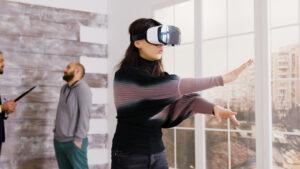
If you’ve spent even a little time in Telangana, especially in Hyderabad, you start noticing how people live here. The mornings are busy with traffic and office commutes. IT parks hum with activity, college students rush to classes, and street vendors sell breakfast on the go. But evenings and weekends have a completely different vibe. Malls fill up, restaurants see lines, and groups of friends wander around looking for something fun to do. It’s the perfect setup for a unique kind of entertainment—something new and immersive, like a VR gaming cafe.
The thing about Telangana is that people here are curious. They want experiences, not just places to sit. A new cafe opens and suddenly everyone wants to check it out. A pop-up escape room appears, and it becomes a weekend hotspot. Virtual reality is exactly the kind of “different” experience that draws attention. Most people have heard about VR, maybe seen someone wearing a headset online, or tried a demo at a tech expo. But actually stepping into a VR world themselves? That’s rare. And that’s where a cafe can make it easy.
Owning a VR setup at home isn’t practical for most. The equipment is expensive, it takes up space, and it requires a decent PC setup. A cafe solves all of that—you pay for a session, play, and leave without any hassle. But opening one successfully? That requires thinking about your audience, your location, and how the cafe feels when people walk in.
Who Will Come?
Many people think VR cafes are only for gamers. That’s not true. In Telangana, your visitors will come from different walks of life. Young professionals working in IT, finance, and startups spend long hours at their desks. After a day staring at screens, they want something active, something that feels like a mini-adventure. Even 20 or 30 minutes in VR is enough to shake off the routine.
Students are another major group. Hyderabad has a huge student population—universities, colleges, and coaching centers are everywhere. Students love affordable, social entertainment. VR lets them play together, watch each other’s reactions, and laugh at the unexpected. Those reactions are often just as fun as playing.
Then there are casual visitors. People who aren’t gamers, who may not even know much about technology. VR draws them in because it’s new, shiny, and social. Sometimes these visitors become your most enthusiastic fans—they tell their friends, come back, and post videos online.
Even families can be part of the crowd. Kids get excited seeing the headsets, parents are curious, and suddenly it’s a family outing instead of just lunch or dinner.

Picking the Right Spot
Location is more important than anything else. Even the best cafe can struggle if no one finds it. Areas near colleges, office clusters, and shopping streets are ideal. Areas like Hyderabad’s Jubilee Hills, Hitech City, Banjara Hills, or places near Osmania University can work well because students and professionals are already around.
Markets and commercial streets are useful because people naturally wander there. They see your cafe while walking past restaurants or stores. And accessibility matters—enough parking, easy road access, and proximity to public transport make repeat visits easier.
Inside, the space has to feel comfortable. VR requires movement—players turn, stretch, and sometimes step sideways. Cramped rooms ruin the experience fast. Visitors need space to feel free and safe.
Designing the Space
First impressions matter. When someone walks in, they should immediately understand what to do. Clear gaming stations, enough distance between setups, and friendly staff make a big difference.
A small seating area helps too. Watching friends play VR can be half the fun. People laugh, react, and sometimes even shout, creating a lively atmosphere. The interior doesn’t need to be flashy—clean, organized, and uncluttered is enough. People care more about the experience than decorations.
Equipment and Games
Reliability is more important than the fanciest hardware. A headset disconnecting mid-session or a game crashing will frustrate first-time players. Start with a few dependable stations.
Game variety matters. Fast-paced games appeal to thrill-seekers, while puzzle and exploration games attract casual visitors, so offering both ensures everyone has a good time.
Pricing and Packages
Time-based pricing is the most effective. Short sessions (15–30 minutes) attract beginners who just want to try VR. Group packages work well because friends usually come together. Telangana’s student and professional population appreciates affordable pricing, which encourages repeat visits.
Marketing the Cafe
A VR cafe promotes itself visually. People love watching reactions—laughing, jumping, screaming—it’s fun to watch. Social media clips spread fast.
Word of mouth is even stronger. Visitors tell friends about the experience. Gradually, you build a loyal crowd that keeps coming back.

Patience and Growth
Success takes time. VR cafes don’t become popular overnight. Initial visitors come out of curiosity. Some never return, others become regulars. If the experience is smooth, the staff is helpful, and the space is welcoming, your cafe slowly earns a reputation.
In Telangana, this steady growth can turn a small VR gaming cafe into a local hangout. Students, professionals, casual visitors—they all have a place to meet, play, and experience something new every weekend.